Category: Herbs

  • The miracle of Sage

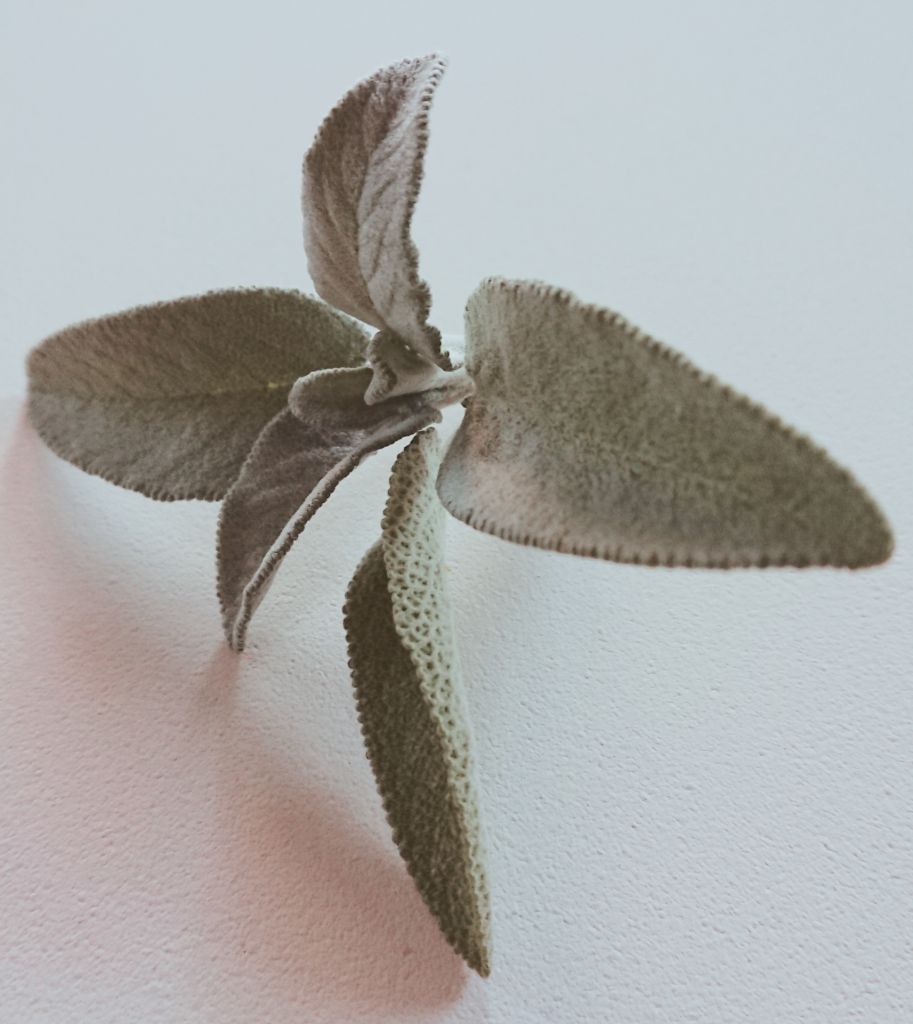
    Distilled from the flowering herb, Sage (Salvia Officinalis) has long been seen as a miracle plant. The word ‘Salvare’ means to heal, to save and was used frequently by the Romans and throughout the middle ages as a nerve tonic relieving tension and stress as well as aiding concentration. It is rich in keytones therefore should be used with caution as it can accumulate or build up within the body and so should be used in very small amounts.

    Having said that, it has excellent therapeutic benefits. For example, it is clarifying which can positively impact unbalanced or infrequent menstruation periods as it stimulates hormones and can clear a ‘menstrual obstruction’. It relieves other PMS symptoms such as headaches, tiredness, mood swings and depression. Other therapeutic benefits include anti inflammatory, antiseptic, expectorant (clearing out sinuses, fevers, flu) and anti spasmodic relieving coughing and cramps. It soothes and calms digestion helping neutralise acids in the stomach and bloodstream, relieving hiccups and colic.

    A top note oil, Sage has a spicy, warm and minty aroma. I like to use it in my skin care routine diluted in a moisturiser (1% blend) as its antioxidant properties are known to aid the regeneration of skin cells. As we age, our skin can lose it’s elasticity and therefore Sage can support us here – maybe not provide a miracle – but its therapeutic actions can support this inevitable and perfectly natural process – beautifully.

    Contraindications: Seek advice from a qualified Aromatherapist when using essential oils. It is not recommended for children, or used during pregnancy as it can activate menstruation. Avoid using if you suffer from epilepsy.
  • Sweet Marjoram

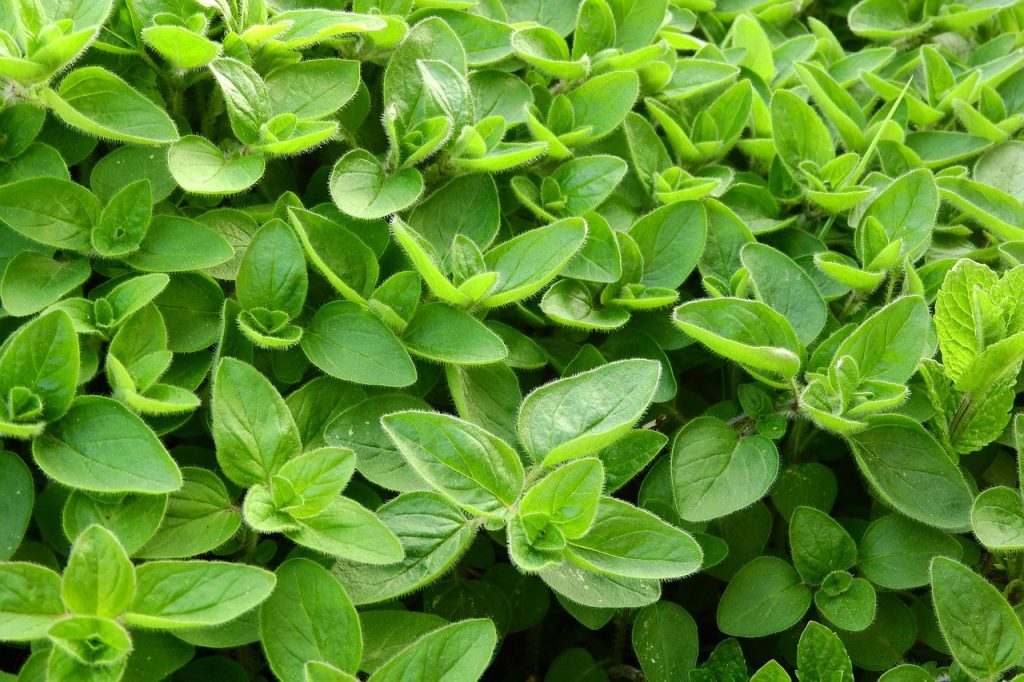
    Some words feel good and this is how I feel about the word Marjoram. Feel good words are not a new idea, in fact there is a lot of research to suggest that certain words activate our dopamine and pleasure centers whether this is an emotional, spiritual or symbolic connection. Or it could be because they sound nice, the pattern of the word, the consonants, the open vowels. The word Marjoram has the repetition of the open vowel “a”, ending nicely with the “m” sound (mmm), closing the word, mouth and lips. Neat!

    Anyway…..let’s talk about it as an essential oil. Latin name Origanum majorana (that sounds good too!), it is warm and spicy, often described as a “green” scent, it is a middle note oil cultivated from the fresh and dried leaves and flowering tops of the plant. From the Mediterranean, it blends well with lots of oils such as Lavender, Cypress, Chamomile, Ylang ylang and Rosemary to name a few. It’s good for sprains, strains and spasms, excellent in a massage blend and can help with painful menstruation too. It can lower blood pressure; helping balance the heart and circulation. It is bactericidal too so good for coughs and colds.

    Other therapeutic properties suggest that it helps alleviate stress, calming hyperactivity, insomnia, grief and loneliness therefore use it when needing some comfort and emotional healing. For this purpose, blend it with Cedarwood and Frankincense as tree oils can help us feel grounded and represent courage as they stand tall and strong, surviving all sorts of difficult climates and weathers.

    Marjoram is also known as ‘joy of the mountain’, given to married couples and planted in graveyards to give calm and peace to those departed from us. You may have the species wild Marjoram (vulagare) in your gardens as it cultivates well in the UK and is actually the same aromatic herb as Oregano and can be used in cooking. Sweet Marjoram is less easy to grow but can be bought as an essential oil from most retailers.

    Lots to think about here but it is my ‘go-to-oil’ for calm and comfort. Maybe that’s why I love the sound of it so much as it offers me a deep connection, spiritual, emotional, symbolic. Something not easily put into words in fact, but instead felt, sensed and honoured.

  • Sweet Thyme

    Sweet Thyme

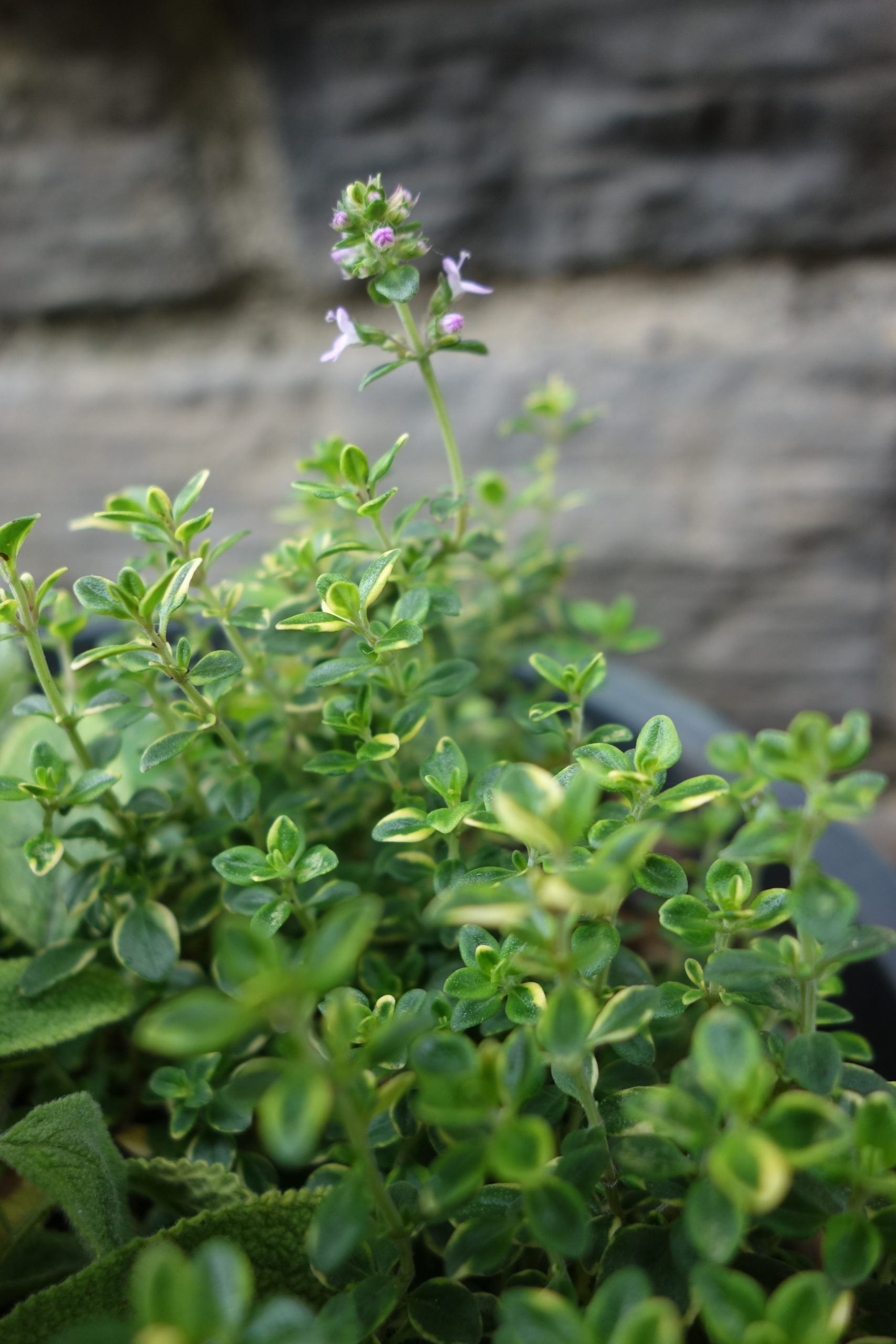
    Thyme (Thymus vulgaris) a pretty delicate plant with a sweet herbal aroma. Easily grown in window boxes and pots, adding earthy and sometimes spicy notes to our food. It’s a resilient herb, keeping its flavour in slow cooked roasts, soups and other such comfort food. Thyme’s properties make it a good digestive, improving appetite and flatulence! It is an analgesic, alleviating spasms and cramps and for this purpose it blends well with Peppermint, Sweet Marjoram, Lavender and Clary Cage.

    Grown in the Mediterrane, South Italy, it is distilled from the dried leaves or flowering tops, it can stimulate our immune system therefore helping clear out colds and coughs, shifting catarrh. For this purpose consider blending with Rosemary, Spearmint and Cypress.

    It is a powerful antiseptic too, you can use it for insect bites, wounds and oily skin. Blend with Lemon and Tea Tree ideally in a gel.

    Thyme has also been used for wellbeing helping with stress and nerves; a sacred herb of the Druids, thought to inspire courage, it was used it to lift our spirits and create positivity. For this purpose it was burned, dispelling its properties through smoke and scent.

    Finally, in folklore a patch of Thyme in your garden was considered to be a fairy playground, or sprinkling some on your window sill will invite fairies in or allow you to see them. I’ll leave you with this lovely quote form Treguddick when introducing their Lavender gin: “Where lavender and thyme abound, sweet dreams, the fairies say, are found.” Enjoy!

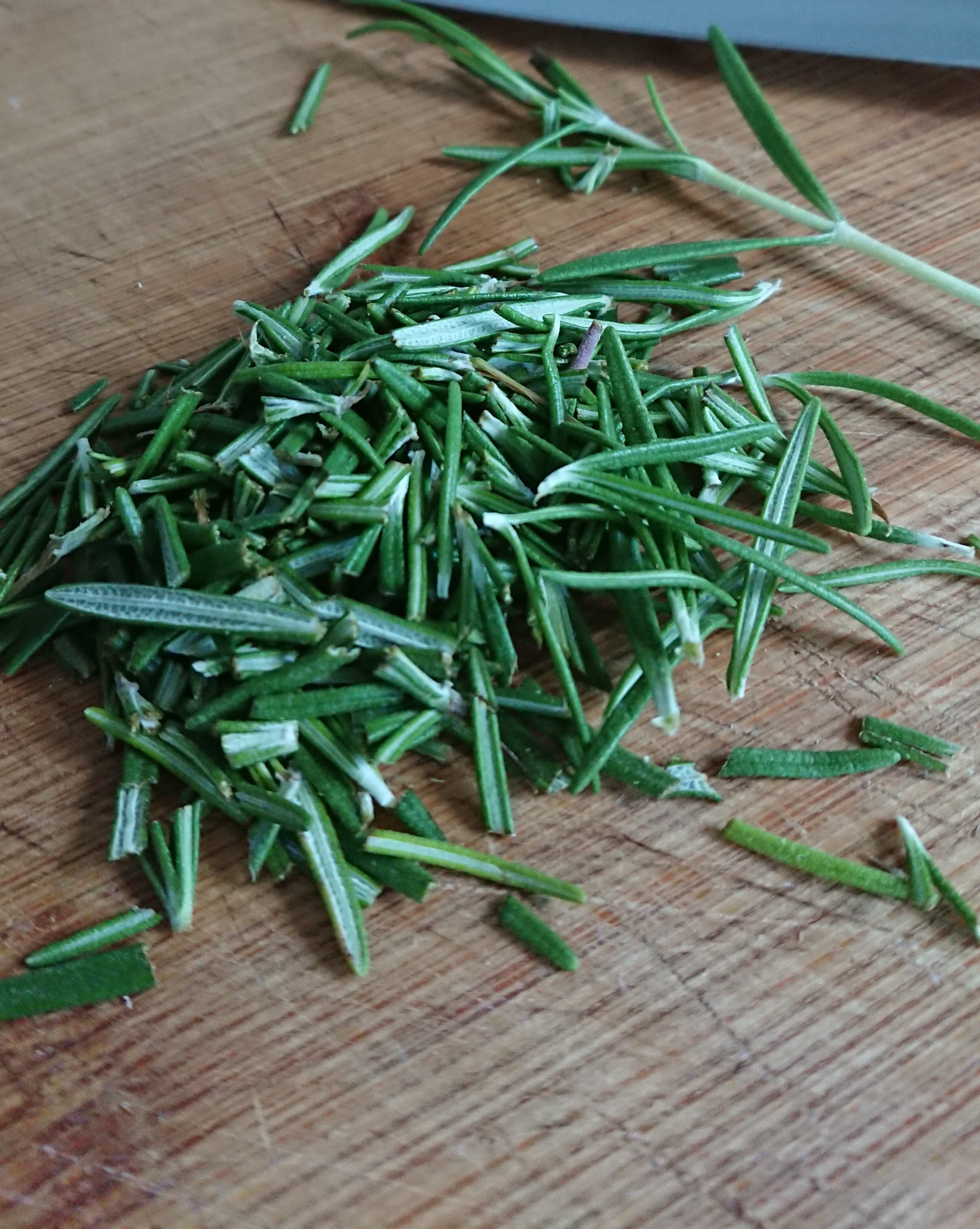
  • Rosemary

    Rosemary

    “There’s rosemary, that’s for remembrance; pray, love, remember”. Ophelia, Hamlet.

    You may know this quote from Hamlet, Shakespeare’s play about grief and courage, and re-imagined most wonderfully by Maggie O’Farrell in her book Hamnet, now also an award-winning film. I’m currently reading Hamnet and the main character Agnes, Shakespeare’s wife, is a healer, using plants to treat symptoms, to attempt to cure, reminding us that at one time this was all we had to ease our ills.

    Brought to the UK by the Romans, (Rosmarinus officinalis) was used in battle for courage but it is also highly antiseptic so useful for treating wounds. In folk tradition, Rosemary is associated with having a good memory – hence the quote – but more recently research has found that Rosemary can help our future memory.*

    Future memory can be defined as ‘remembering to remember’, for example, remembering things such as taking medicine, buying your niece’s birthday card, getting something out the freezer before you dash off to work. Often when we are busy, stressed, or just doing, our future memory is affected. Have you ever found that no matter how hard you try sometimes, you just keep forgetting ‘that thing’ you were supposed to remember? The chemical 1,8-cineole (also found in oils such as Eucalyptus) has been found to act on the biochemical systems that underpin memory. It appears Shakespeare, or rather his wife Agnes, seemed to know a thing or two about Rosemary.

    Research also suggests Rosemary benefits women experiencing menopause symptoms – brain fog is a symptom of menopause due to the fall in oestrogen. Other menopause symptoms can include lack of confidence, anxiety, headaches, depression, disturbed sleep – all of these symptoms are often interconnected – brain fog causing memory loss – causing lack of confidence – causing sleep issues – causing headaches. Therefore inhaling Rosemary can help improve our focus, concentration, memory, and cognitive performance. Like Basil, Rosemary is a stimulant therefore good for fatigue and nervous exhaustion.

    Rosemary can have a powerful impact on our brains but please use with caution as its stimulating properties can raise blood pressure.

    Do not use if pregnant. Consult your doctor if you are taking medication.

  • Spring continues…

    Spring continues…

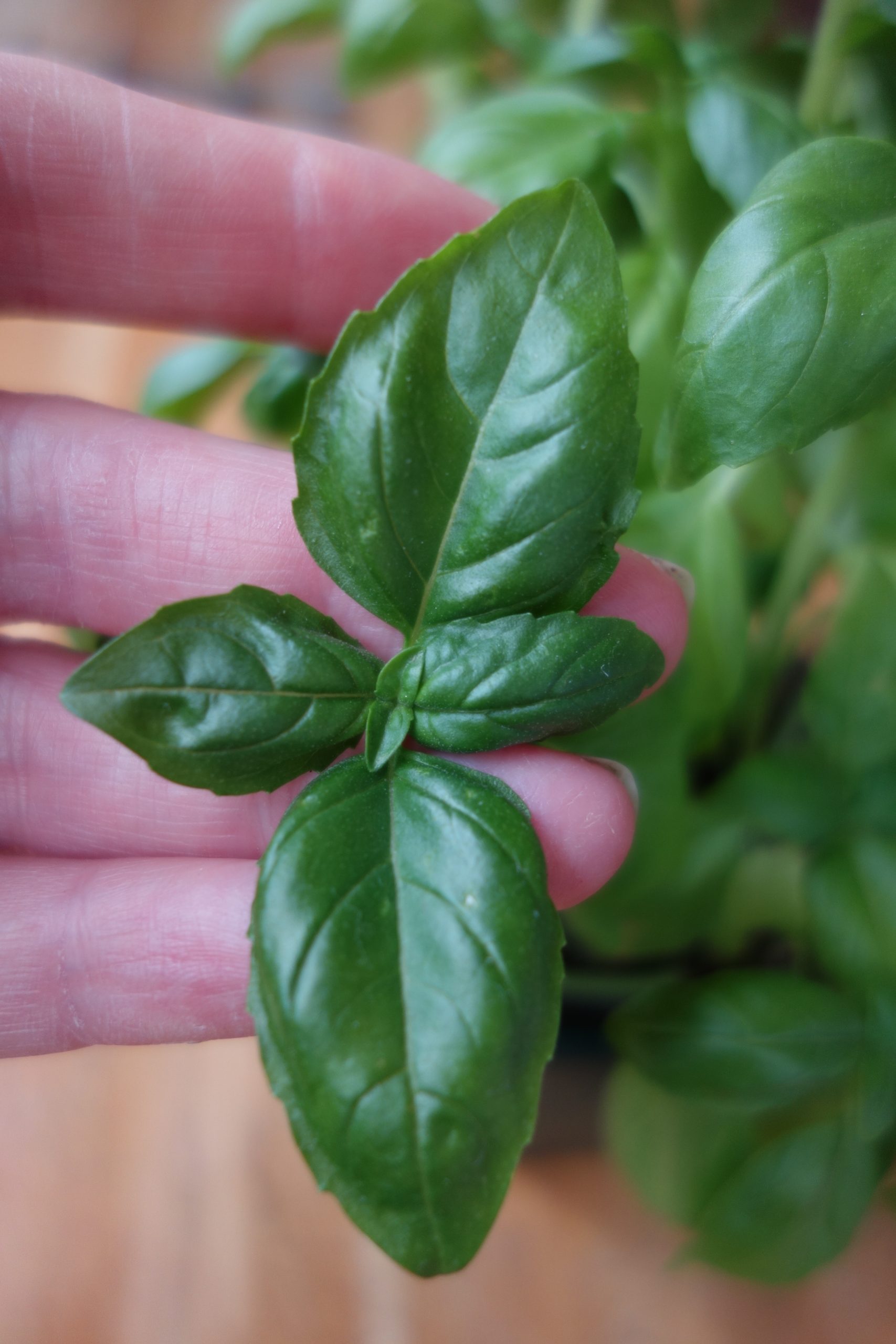
    Basil, Latin name Ocimum basilicum, grown in India and North Africa, and Mediterranean countries like Italy and France has a clean, warm aroma. Good for digestion, it’s used a lot in cooking and perfect in any tomato-based dish, or torn up in a salad.

    Rich in phenols, it is good for inflammation of the respiratory system too. If you are feeling tight chested, a couple of drops on a warm flannel and some deep breaths will help soothe, expand and calm.

    It is described as hormone-like because it stimulates the endocrine system which can make you sweat. Basil is therefore quite a powerful essential oil and should be used with caution. For example, it can stimulate menstruation so should not be used in pregnancy yet in this sense it can help regulate periods.

    It is carminative, and I often use it to help declutter and focus the mind; an aid to concentration, uplifting, and good for a stuffy, foggy head . I like to use it when I’m working on something, writing or researching. Yet it is adaptive, and can help you relax and sleep.

    I love Basil. It’s inexpensive and accessible. With its shiny rich green leaves, its heady scent, it’s lovely on a sunny window sill in the kitchen. As an essential oil, it’s definitely a favourite and I often combine it with Lemon and Rosemary, a perfect blend for focus, memory and concentration (but that’s another post….).

  • Grow into Spring

    Grow into Spring

    At this time of year, we find ourselves embracing signs of spring. The Spring Equinox has past (Happy New Year) and we’ve officially left winter behind us, we are moving onto new beginnings, and into spring.

    The light is changing, the days are brighter and although still cold and frosty, we can see buds and shoots, hear lambs and there is that unmistakable smell of something new, something different, something we’ve been missing. One way for me to step into spring is to plant some herbs. Herbs have wonderful health benefits as well as unique aromas so just adding them to food can enhance flavour as well as tick healthy eating boxes. You can even add them to drinks, hot or cold and enjoy them this way.

    There are many easy to grow herbs grow – in tubs outside or just on a window sill. My favourite herbs are mint, thyme, marjoram, rosemary and basil. They all come from come from the Lamiaceae family and produce some of my favourite essential oils. Over the next week or so, I’m going to recommend each one. Today I’m starting with mint.

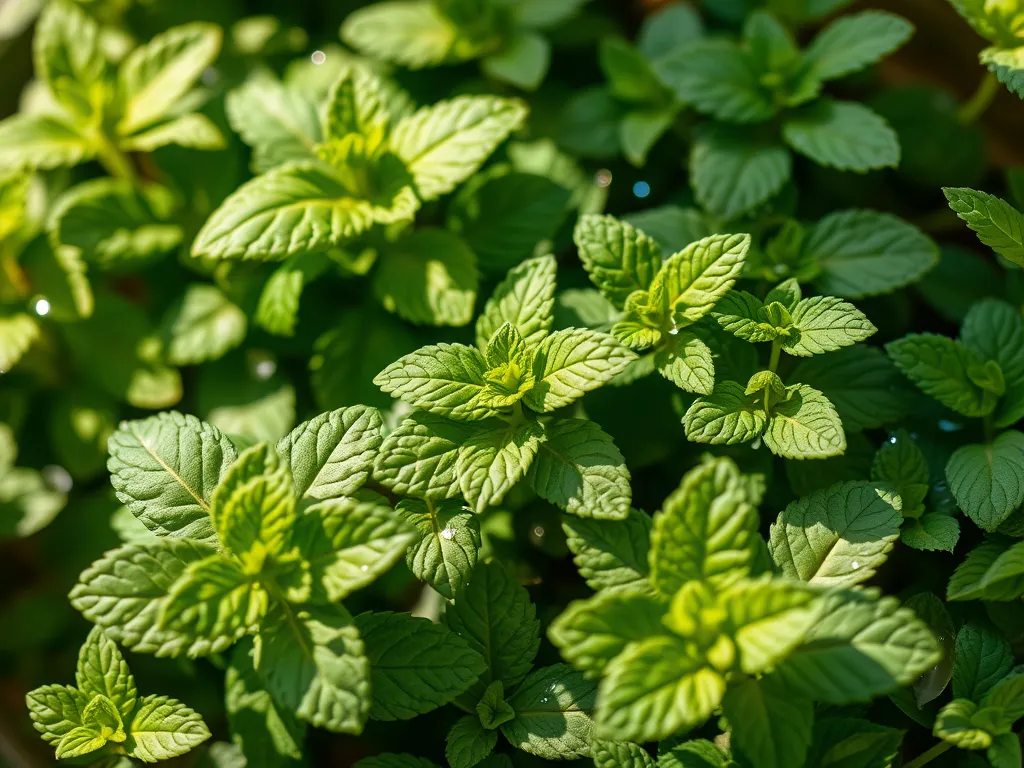
    There are around 20 varieties of mint including spearmint and peppermint. In Aromatherapy, I use peppermint essential oil (Mentha piperita) for digestive symptoms due to it’s antispasmodic, anti inflammatory and carminative actions. It’s great for an upset stomach caused by indigestion, reflux or stress. It is also a good pick me up, it’s strong menthol aroma is perfect for mental fatigue.

    There are lots of varieties of mint, even a lemon, chocolate, spearmint, so shop around for a flavour you like.

    Mint is lovely in salad. Here are some recipes to try: https://www.bbcgoodfood.com/recipes/collection/mint-recipes

    I love the idea of a mint chutney!