Category: Menopause

  • The miracle of Sage

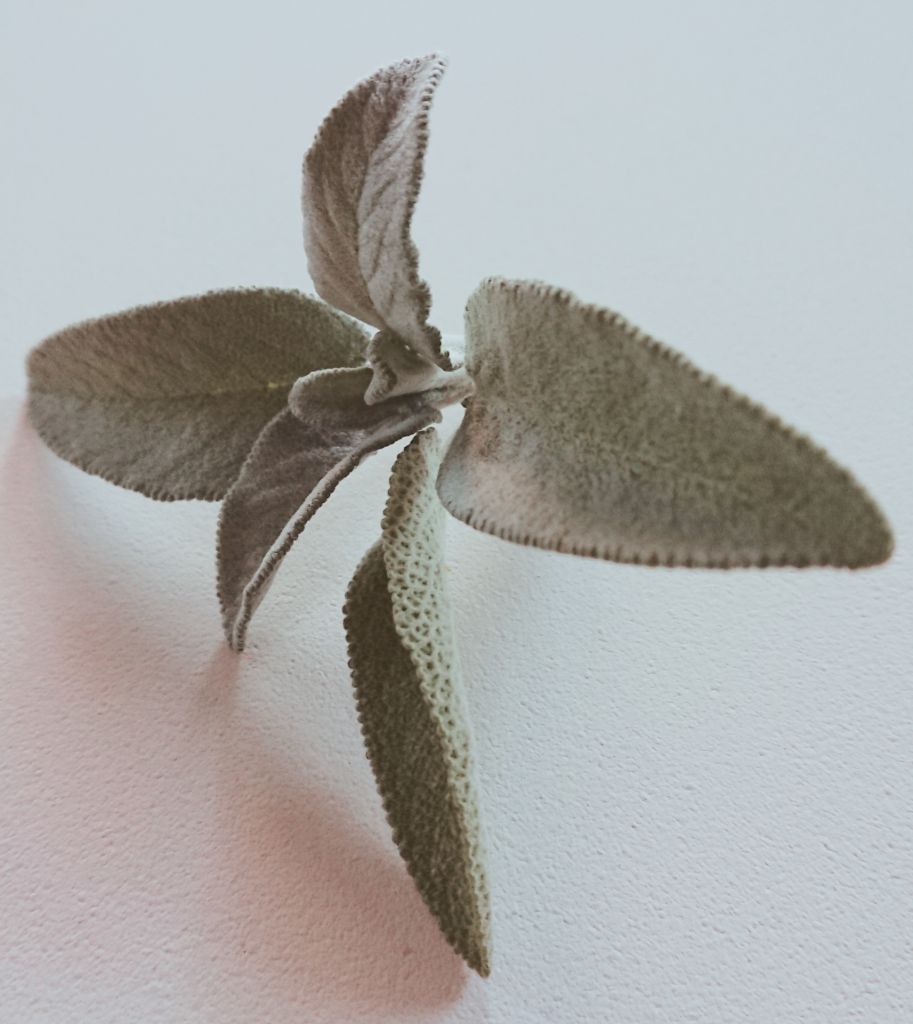
    Distilled from the flowering herb, Sage (Salvia Officinalis) has long been seen as a miracle plant. The word ‘Salvare’ means to heal, to save and was used frequently by the Romans and throughout the middle ages as a nerve tonic relieving tension and stress as well as aiding concentration. It is rich in keytones therefore should be used with caution as it can accumulate or build up within the body and so should be used in very small amounts.

    Having said that, it has excellent therapeutic benefits. For example, it is clarifying which can positively impact unbalanced or infrequent menstruation periods as it stimulates hormones and can clear a ‘menstrual obstruction’. It relieves other PMS symptoms such as headaches, tiredness, mood swings and depression. Other therapeutic benefits include anti inflammatory, antiseptic, expectorant (clearing out sinuses, fevers, flu) and anti spasmodic relieving coughing and cramps. It soothes and calms digestion helping neutralise acids in the stomach and bloodstream, relieving hiccups and colic.

    A top note oil, Sage has a spicy, warm and minty aroma. I like to use it in my skin care routine diluted in a moisturiser (1% blend) as its antioxidant properties are known to aid the regeneration of skin cells. As we age, our skin can lose it’s elasticity and therefore Sage can support us here – maybe not provide a miracle – but its therapeutic actions can support this inevitable and perfectly natural process – beautifully.

    Contraindications: Seek advice from a qualified Aromatherapist when using essential oils. It is not recommended for children, or used during pregnancy as it can activate menstruation. Avoid using if you suffer from epilepsy.
  • Rosemary

    Rosemary

    “There’s rosemary, that’s for remembrance; pray, love, remember”. Ophelia, Hamlet.

    You may know this quote from Hamlet, Shakespeare’s play about grief and courage, and re-imagined most wonderfully by Maggie O’Farrell in her book Hamnet, now also an award-winning film. I’m currently reading Hamnet and the main character Agnes, Shakespeare’s wife, is a healer, using plants to treat symptoms, to attempt to cure, reminding us that at one time this was all we had to ease our ills.

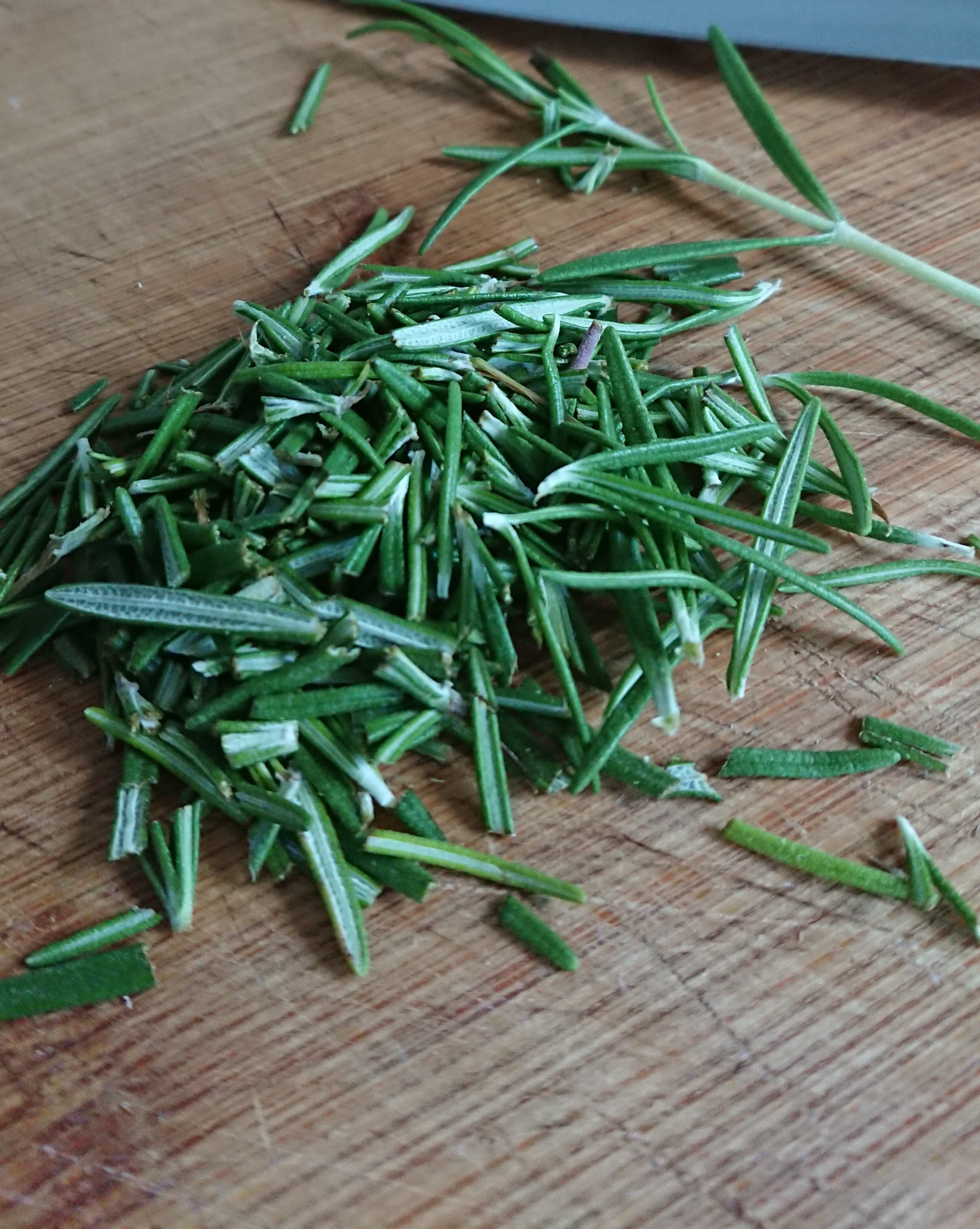
    Brought to the UK by the Romans, (Rosmarinus officinalis) was used in battle for courage but it is also highly antiseptic so useful for treating wounds. In folk tradition, Rosemary is associated with having a good memory – hence the quote – but more recently research has found that Rosemary can help our future memory.*

    Future memory can be defined as ‘remembering to remember’, for example, remembering things such as taking medicine, buying your niece’s birthday card, getting something out the freezer before you dash off to work. Often when we are busy, stressed, or just doing, our future memory is affected. Have you ever found that no matter how hard you try sometimes, you just keep forgetting ‘that thing’ you were supposed to remember? The chemical 1,8-cineole (also found in oils such as Eucalyptus) has been found to act on the biochemical systems that underpin memory. It appears Shakespeare, or rather his wife Agnes, seemed to know a thing or two about Rosemary.

    Research also suggests Rosemary benefits women experiencing menopause symptoms – brain fog is a symptom of menopause due to the fall in oestrogen. Other menopause symptoms can include lack of confidence, anxiety, headaches, depression, disturbed sleep – all of these symptoms are often interconnected – brain fog causing memory loss – causing lack of confidence – causing sleep issues – causing headaches. Therefore inhaling Rosemary can help improve our focus, concentration, memory, and cognitive performance. Like Basil, Rosemary is a stimulant therefore good for fatigue and nervous exhaustion.

    Rosemary can have a powerful impact on our brains but please use with caution as its stimulating properties can raise blood pressure.

    Do not use if pregnant. Consult your doctor if you are taking medication.